Your First Visit to an Eye Specialist: What to Bring
Understanding the Eye Specialist and Their Role
An eye specialist, commonly referred to as an ophthalmologist, is a medical doctor trained to diagnose, manage, and treat all eye conditions and diseases. Unlike optometrists or opticians who primarily focus on prescribing glasses or contact lenses, an ophthalmologist undergoes extensive medical training enabling them to perform eye surgeries and treat complex eye diseases. If you’re visiting an eye specialist for the first time, it could be for various reasons, from a routine eye exam to addressing more specific issues like cataracts, glaucoma, dry eyes, or vision changes.
Knowing the difference in expertise and why an ophthalmologist is the right choice for comprehensive eye care can alleviate your concerns. An initial visit typically involves detailed testing to evaluate your eye health thoroughly.
What to Bring to Your First Eye Specialist Appointment
Preparing for your appointment by bringing the right documentation and items will help your eye specialist provide the best care. Here’s a checklist to guide you:
1. Medical History Records and Insurance Card
Your eye health is closely linked to your overall health. Bringing your complete medical history ensures your ophthalmologist can connect any systemic conditions such as diabetes, hypertension, or autoimmune diseases to possible eye complications. Don’t forget to bring your insurance card and necessary identification to facilitate the billing process, especially if you plan to make use of your insurance plan for optical care services.
2. List of Medications, Vitamins, and Supplements
Many medications have side effects that can impact your eyes. Bring a detailed list of all current medications, including prescription drugs, over-the-counter medicines, vitamins, and supplements. This allows your eye specialist to assess potential interactions and ensure your treatment plan takes these factors into account.
3. Glasses, Contact Lenses, and Previous Prescriptions
If you already wear corrective lenses, bring your current eyeglasses or contact lenses, along with any prescriptions you have on hand. Having this on hand helps the ophthalmologist evaluate how well your current vision correction is working and whether any adjustments are necessary. Additionally, if you have previous eye exam records, bringing those can offer valuable insights into your eye health history.
4. Symptoms and Questions Journal
To make the most of your time, jot down any vision changes, discomfort, or symptoms you’ve observed. Whether it’s blurry vision, eye strain, headaches, light sensitivity, or floaters, sharing these details helps your eye specialist tailor the exam and diagnosis. Also, prepare a list of any questions you might have regarding eye health, treatment options, or preventive measures so you don’t forget during the appointment.
5. Sunglasses for After the Exam
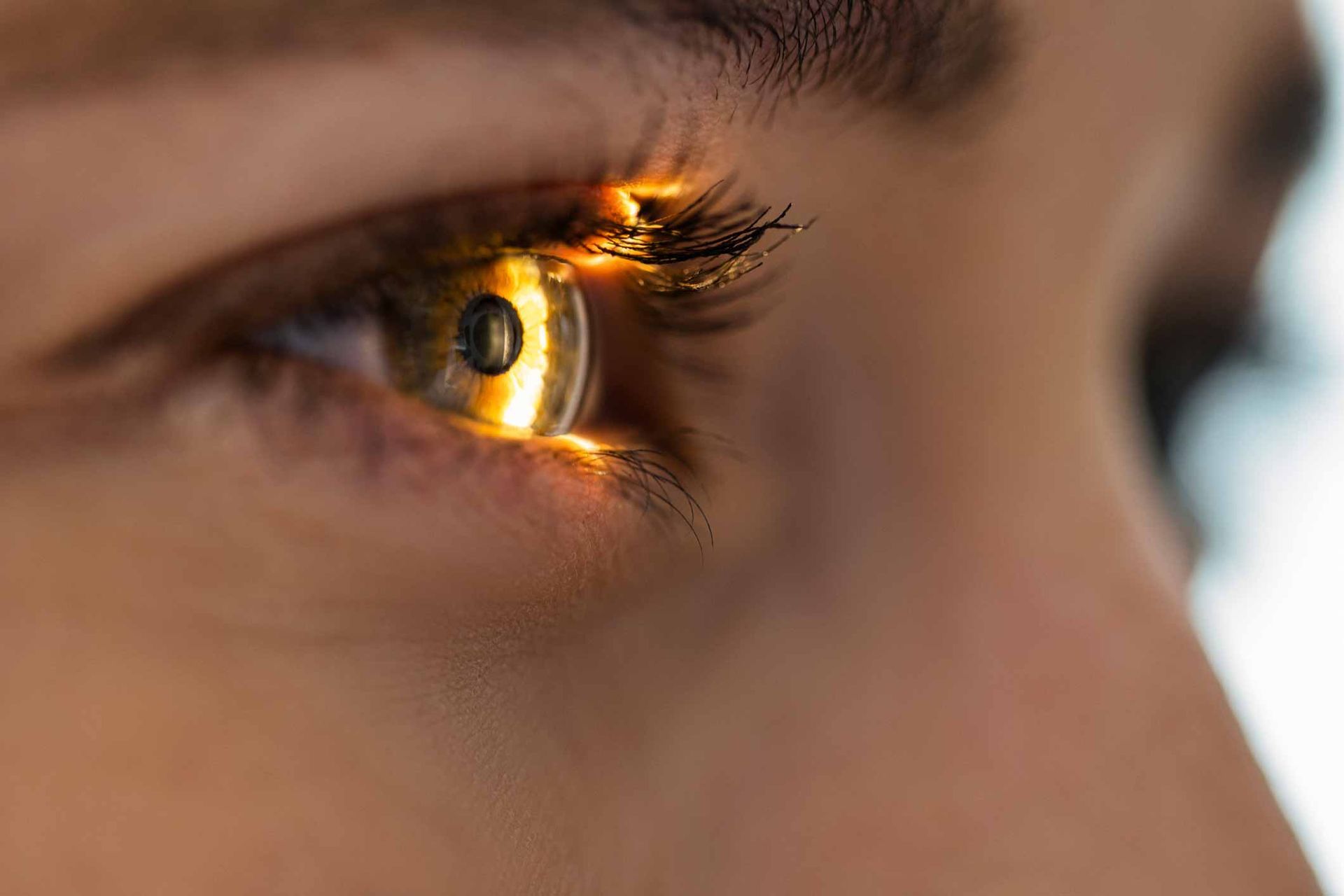
During a comprehensive eye exam, your pupils may be dilated to allow the specialist to examine the internal structures of your eyes closely. Dilation leaves your eyes sensitive to light for a few hours afterwards, making bright sunlight uncomfortable. Bringing sunglasses will ensure you remain comfortable as you leave the clinic.
6. Comfortable Clothing and a Friend if Needed
Eye exams can take from 30 minutes up to an hour or more based on your specific case. Wear comfortable clothing and consider bringing a friend or family member, especially if you anticipate difficulty driving post-exam due to pupil dilation or other tests.
What to Expect During Your First Ophthalmologist Visit
Your first appointment with an ophthalmologist is generally quite thorough. Here’s what you can anticipate:
- Initial health history review: You’ll discuss your personal and family medical history, current symptoms, and any concerns you may have. Providing full disclosure assists in tailoring the right exam and care.
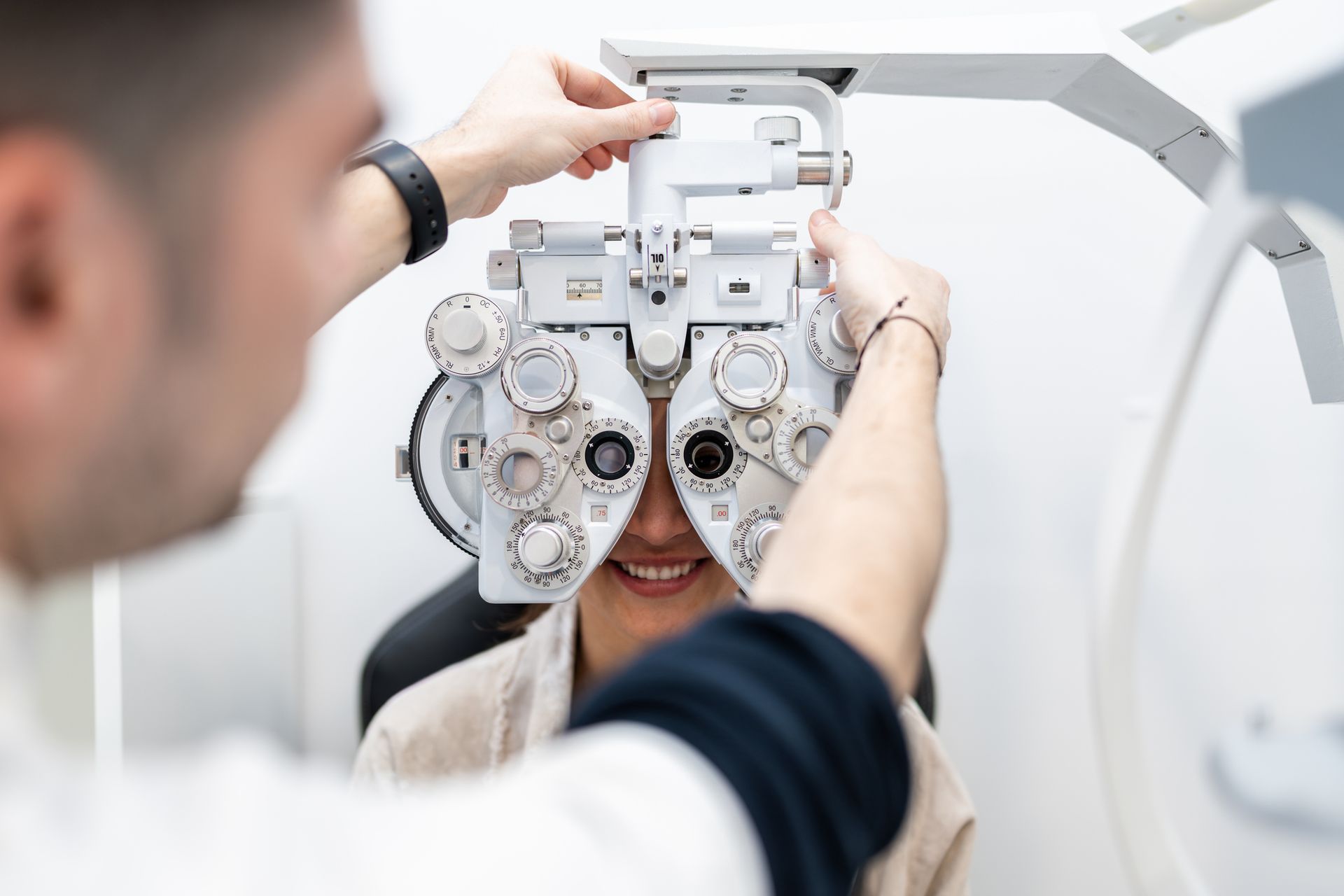
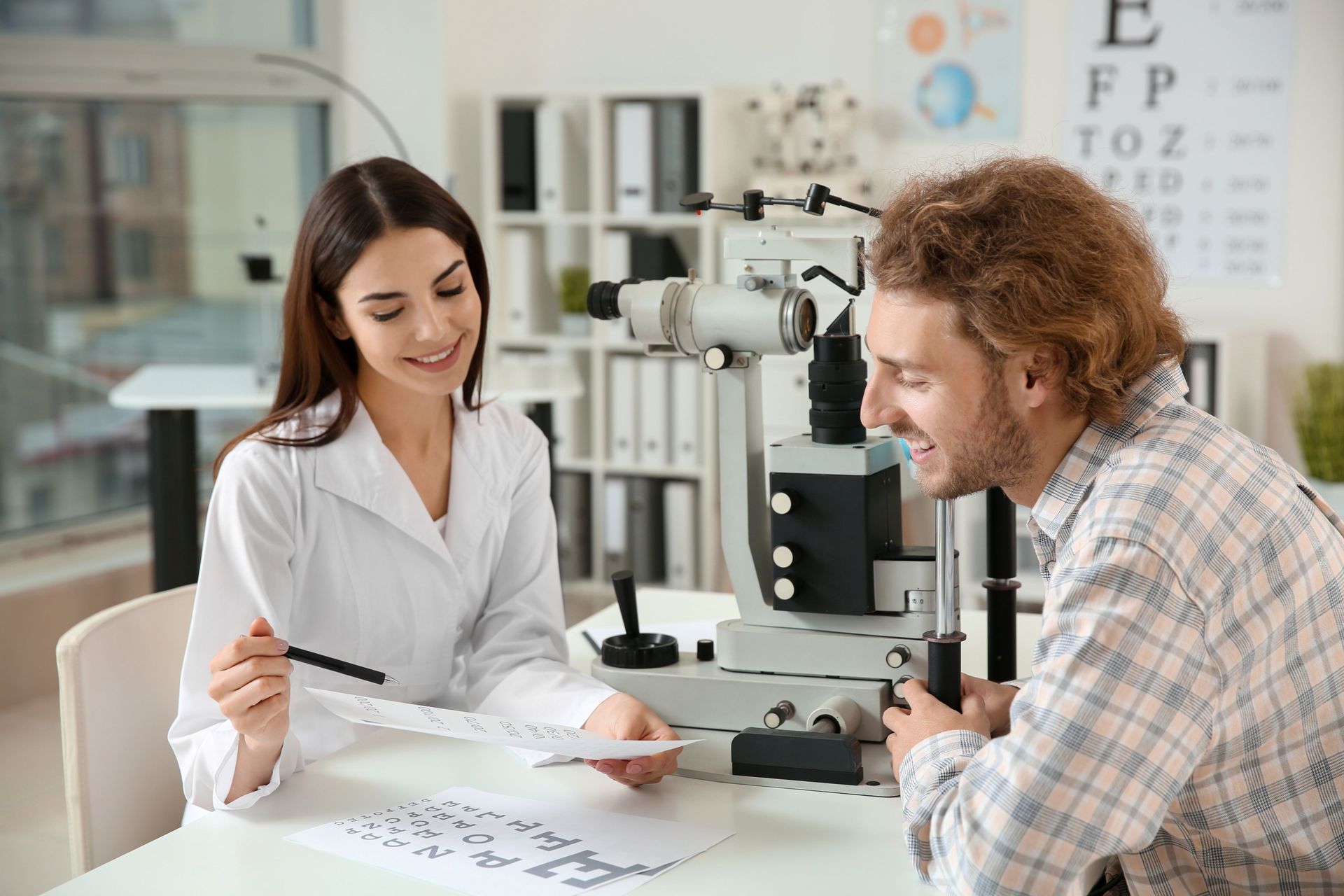
- Visual acuity test: This test measures how well you see at different distances, commonly with the traditional “eye chart” where you read progressively smaller letters.
- Eye movement & coordination tests: These evaluate how well your eye muscles work together.
- Pupil examination: Your specialist will check your pupils’ reaction to light.
- Tonometry test: Used to measure the pressure inside your eyes, this test screens for glaucoma, a leading cause of vision loss.
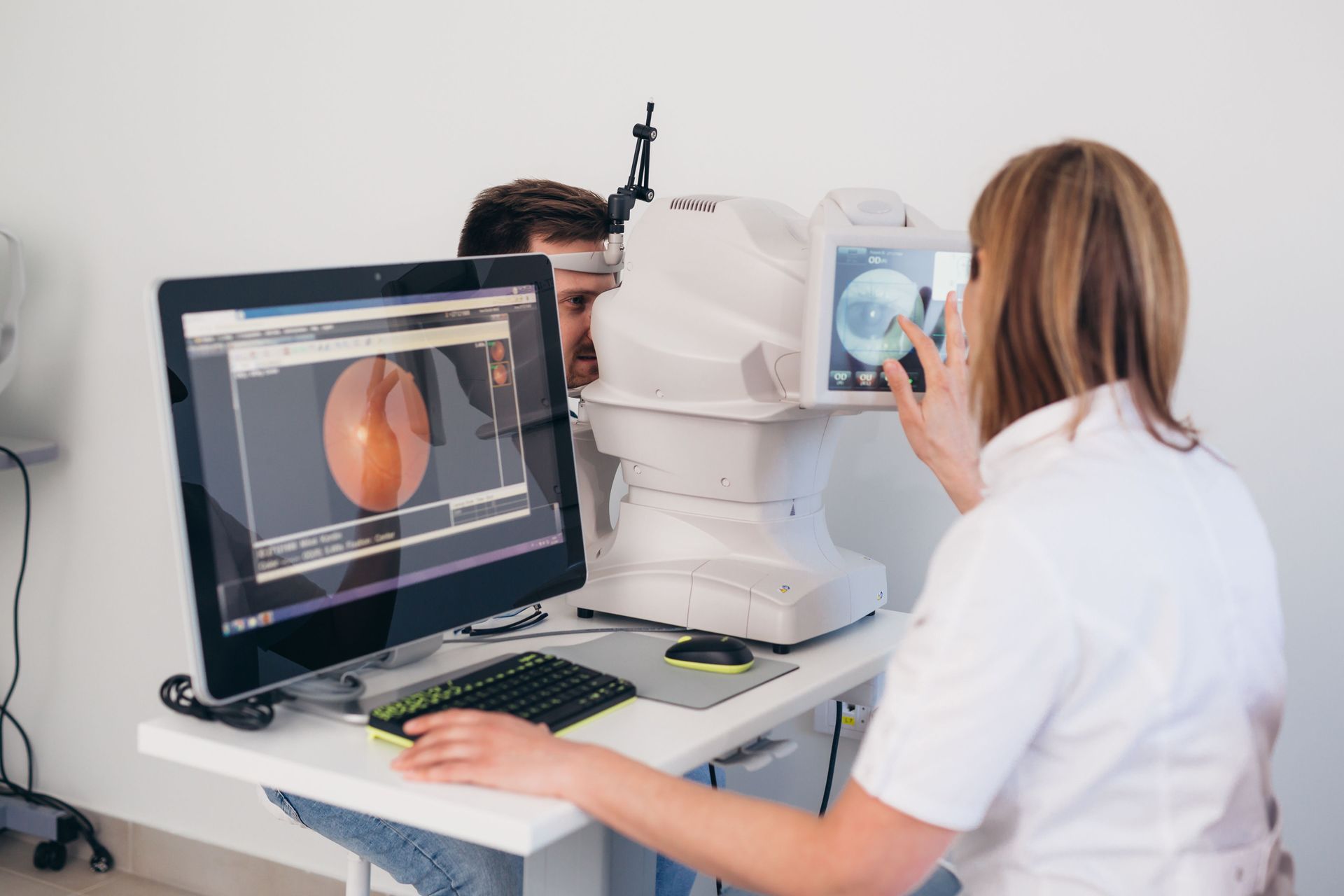
- Dilated eye exam: Drops are used to enlarge your pupils so the specialist can inspect the retina, optic nerve, and blood vessels inside your eye for damage or disease.
- Additional tests: Depending on findings, your eye specialist may perform further imaging or functional tests.
After the exam, your ophthalmologist will discuss the results in detail, explaining any diagnoses and recommending treatment or lifestyle changes. If glasses or contact lenses are needed, prescriptions will be provided, or if further treatment is required, you’ll be guided accordingly.
Why Regular Eye Care With an Eye Specialist Is Important
Many eye conditions develop gradually with little to no symptoms until damage has occurred. With regular visits to an ophthalmologist, many issues can be detected early, improving the chances of successful treatment and preserving your vision. Conditions like glaucoma, macular degeneration, diabetic retinopathy, and cataracts are common among adults, and early intervention is key.
Additionally, your vision needs can change over time, and consistent
optical care helps keep your prescriptions updated and your eyes healthy.
Choosing the Right Eye Specialist in Idaho Falls, ID
If you’re located in or near Idaho Falls, ID., and looking to make your first appointment with an experienced ophthalmologist, consider Eyecare of Southeast Idaho. Our expert team is dedicated to providing personalized, comprehensive eye care services that cater to your unique vision health needs.
From initial exams to advanced diagnostics and treatment options, we prioritize clear communication, comfort, and the best possible outcomes for your eye health. Let us help you take the first step toward better vision and healthy eyes.
Schedule Your First Appointment Today!
Visiting an eye specialist for the first time doesn’t have to be intimidating. With the right preparation and an understanding of what to expect, your appointment can be a positive experience. Remember to bring your medical information, current lenses, a list of questions, and sunglasses to stay comfortable after dilation.
Protect your vision by booking your first visit with Eyecare of Southeast Idaho in Idaho Falls, ID.
Contact us today to schedule your appointment and take charge of your eye health with confidence!